The Bluest Sea

On Self, Landscape, and Motherhood

I will always remember the first time I saw the Caribbean Sea. Earlier that summer I had travelled to a small village in the Mayan region of southeastern Mexico to see a friend. She was conducting ethnographic work there because their sustainable logging practices had become an example in the region. We met the local academic in sustainable practices and visited the town’s small council where decisions were made. 

After a few days, when I saw that my friend was doing well on her own, I grabbed my backpack, waved goodbye and took a bus to a nearby town all the locals insisted I had to see. After a few hours I arrived at my destination. The bus parked near the sea, and since I had never seen the Caribbean Sea, I decided not to wait any longer and walked a few meters to meet it, hiking boots and all. 

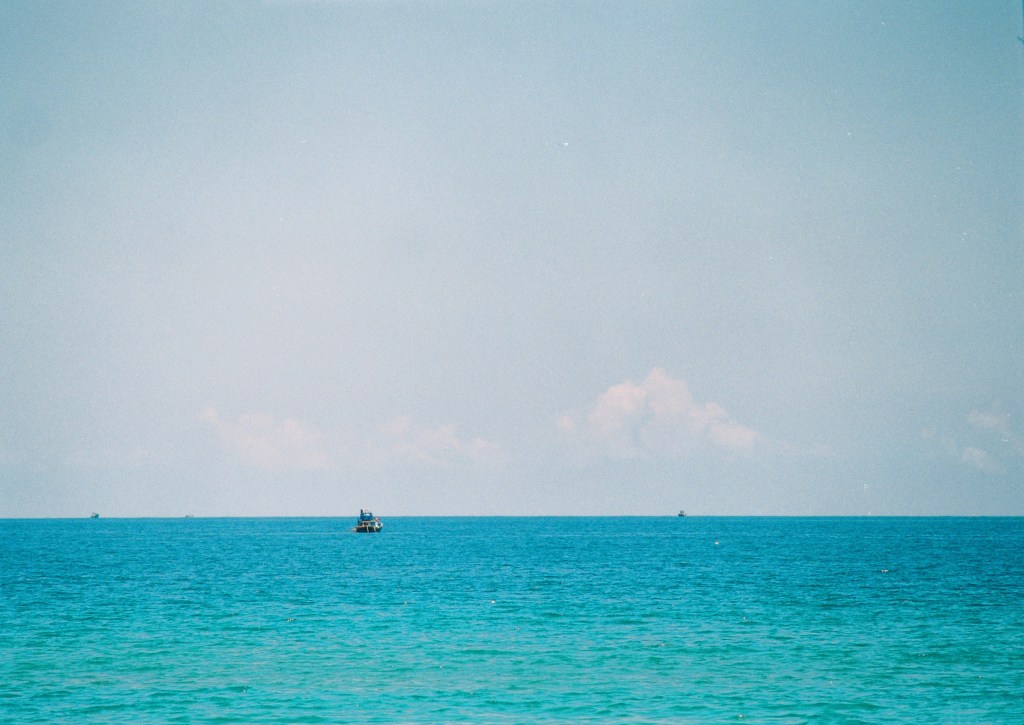
The place was so beautiful it was almost a shock. My mind immediately became silent, no more narrator, no narrative, no inner thoughts or the formation of abstract ideas. Just the bluest sea. It was the first time I had such an  experience. The best way to describe it is like someone had pressed a button that turned my mind off. Complete silence.

I spent the following months in the open sea, kayaking, snorkeling, diving, floating in that never-ending blue. I was on my own for most of the trip. I swam with whales, colorful fish, over delicate reefs…

Many years later I found myself living in Leiden with my Dutch partner, pregnant, and with an ongoing global pandemic. My son was born in the summer of 2020, so most of my pregnancy unfolded during the strictest lockdowns. But we didn’t mind. At the time I worked at the local university, and my partner started to work from home.

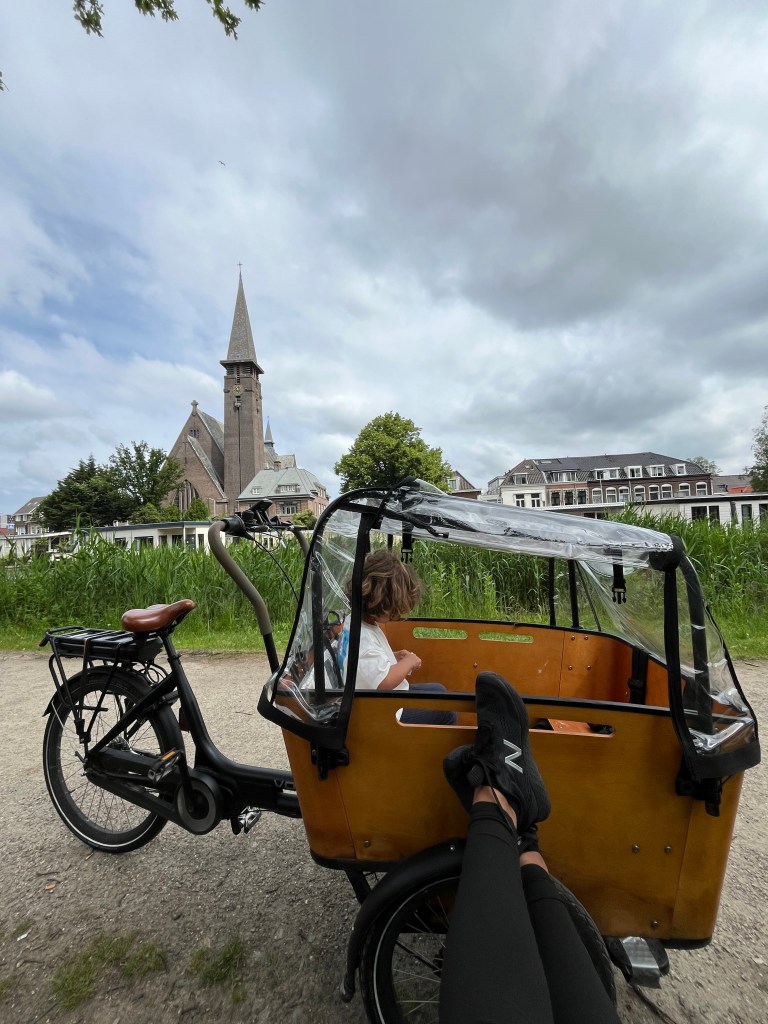
Before the pandemic, we hardly used our car, so after the lockdowns began, we found the perfect excuse to phase it out. After our precious baby arrived, we bought an e-bakfiets. An e-bakfiets is a type of electrical cargo bike the Dutch use to transport children. 

We were very happy with our decision, which was only possible because of the way the Dutch cities are arranged and all the mobility options. Thanks to the ubiquitous bicycle paths we could cycle everywhere, doctor’s appointments, parks, playdates with friends.

I had never felt more healthy and full of energy. After the first tiring months that accompany a newborn, I gradually became more and more energetic. I felt like I was being carried by the sunlight, embraced by the warm wind. The changing weather kept me company, more palpable as I rode the bike with my little boy so close to me. I felt connected to the land, the wind, the water. I recognized again some moments of that blue sea silence, and took refuge in those moments.

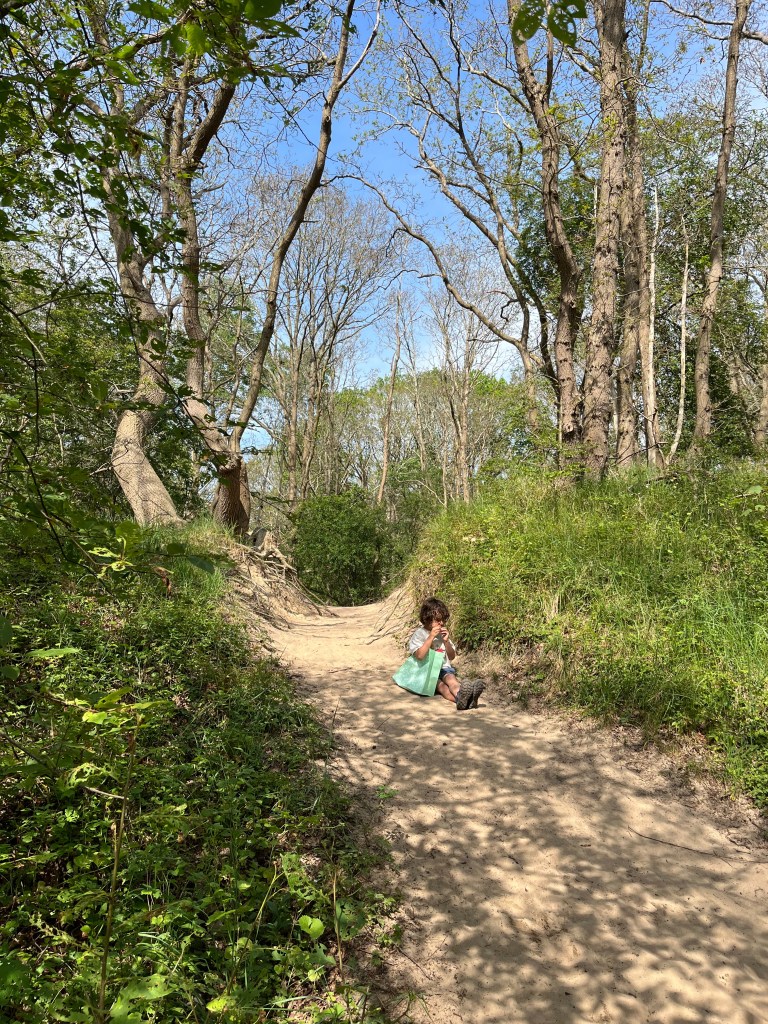
Since my son was born I have taken him out for a walk in nature almost every day of his life. I have orchestrated a close relationship between his mind, his body and the natural environment. I always remind him of the wind when we hear tree leaves, I tell him the weather directly affects us just like the plants. Everything is water, and water is constant motion. He loves the moon and the stars, the beach and the sea, looking at the sky and running barefoot on the grass. We listen and distinguish the different songs of birds, just like my aunt once taught me. He knows we are nature. 

During that trip to the Caribbean I saw a whale with her baby, I swam near them, the mother herself was an island of life. All sorts of small fish and creatures were swimming around her, feeding off her, or even attached to her body. I am now her, with my little boy swirling around me, sometimes I call him my little satellite. 

He’ll grow so soon, and he’ll be independent and strong. I know because he is so much like me, and that likeness will take him away one day. I need to prepare him to listen to the wind, navigate the changing seasons, and forget himself in the sea. Whatever the future might bring.

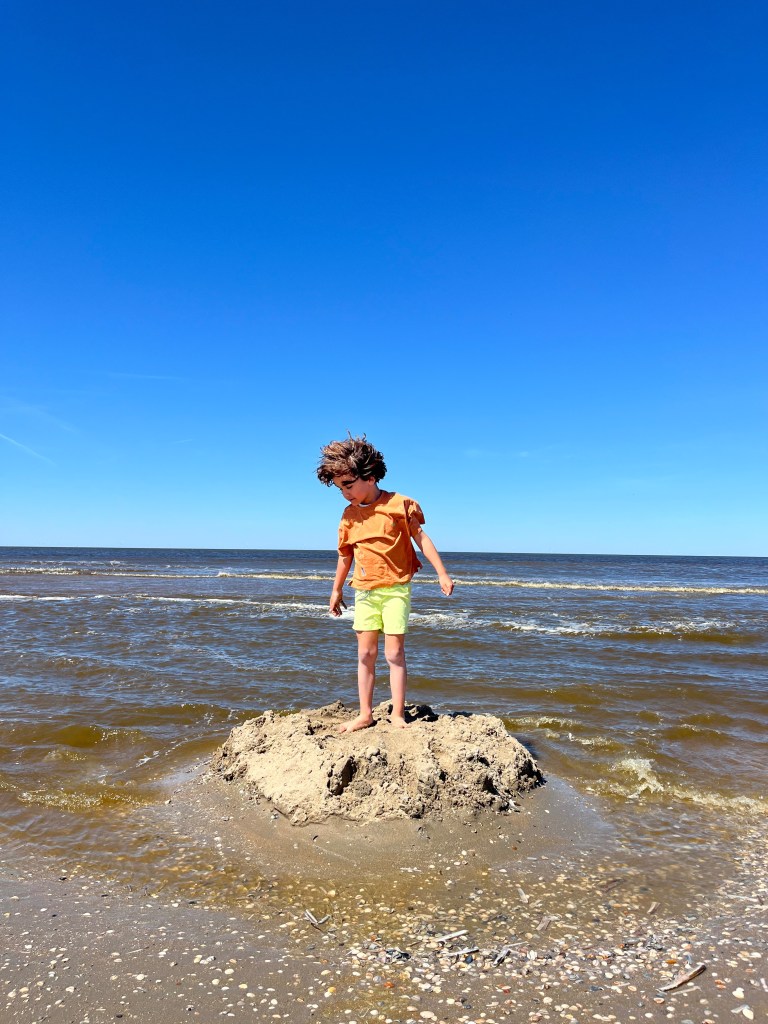
On one of our daily walks in Cronesteyn park, near our home

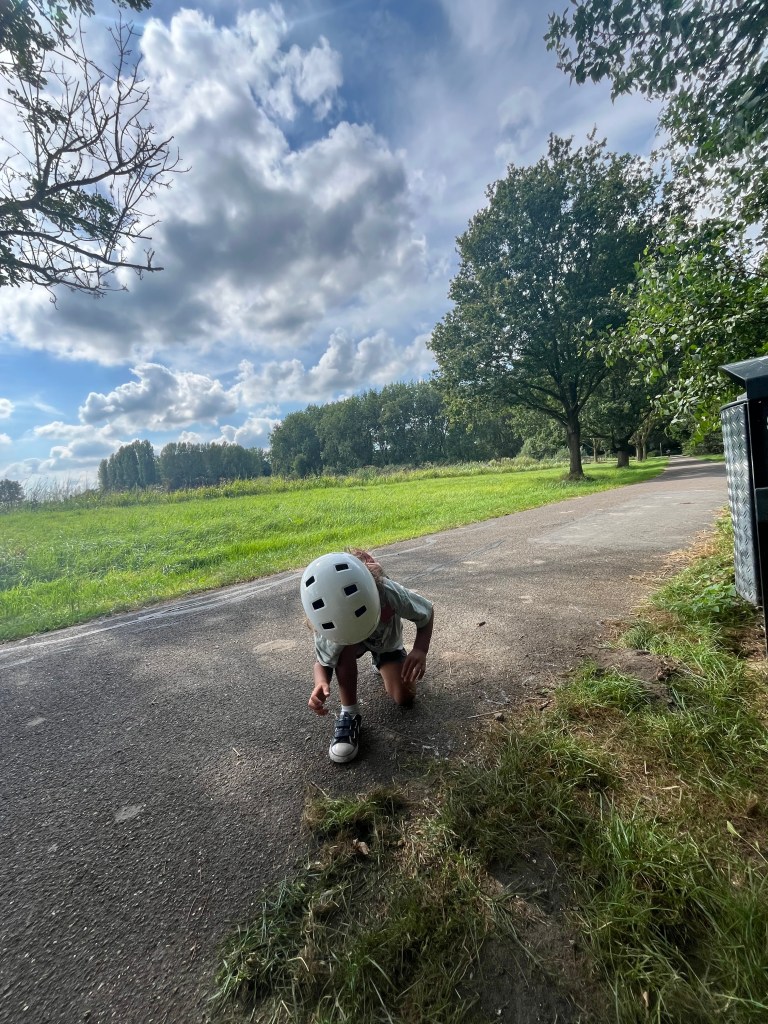
Dramatic Dutch sky

Like the Dutch say: “effe chillen” in our electrical bakfiets

Blue sea

Amchi

Traditional Tibetan Medicine

In December of last year I went to see an Amchi, or Tibetan doctor. I had been thinking about a system to support my mental and physical health, particularly after some important family losses.

I also feel I am entering middle age, and I want to start thinking about how to take care of my mind and body as I age. Ideally, I wanted to return to a holistic and relational system. When I was in my 20s I started to see a Tibetan doctor, and when I moved to Belgium I quickly found an Amchi in Brussels.

After I moved to The Netherlands, twice per year I would travel from Leiden to Brussels to go see her, but eventually I stopped.

Through a Google search I found a handful of Amchi. One of them engaged my imagination and I decided to make an appointment to go see him. 

The day of the appointment I arrived an hour early. Because it was my first time, I didn’t want to be late. The place was a typical modern Dutch house in a residential area. I knocked on the door and the Amchi let me in. Then he immediately took me to a shed at the back of the house. 

The shed was made into a room for consultations. It was a very small room but quite beautiful, it looked like a mini-Buddhist temple. I immediately felt good and welcomed, it was a nice refuge from the miserable gray day. The Amchi left for a moment and then came back with tea for both of us and started the consultation. I felt bad because I was over an hour early, and when I came in, I could smell lunch was ready.

Because I had seen two Amchi regularly before him, I thought I knew what to expect. But unlike other Amchi, this consultation lasted two hours. He first took my pulse and asked about my life and why I was there. I told him that in the last two years I had a late-term pregnancy loss and that I had also lost both of my parents.

He took his time to talk to me. He talked about kindness and how important it is to be kind to everyone. He talked about gratitude and asked me to make space every day to be grateful. He gave me some breathing exercises and then checked some points around my body. A couple of places were moderately painful, and when he touched one point on my left leg it made me scream in pain. 

And after nearly two hours, when he was finished, he prayed.

My parents had different religions and belief systems, and growing up like that made me non-religious. But both of my parents always prayed for me, and they would mention it sometimes and I would roll my eyes.

Eventually, as I grew older and the years living abroad accumulated, I started to soften to their good wishes and appreciated the ways in which they showed me their love. After their passing, I was surprised to discover I was actually sad no one would pray for me anymore. Even though I don’t believe in a God, it felt like a real loss.

And there was my new Amchi, praying for me.

I thought I was looking for an Amchi but I think I was looking for my dad, his steady gentle advice, his care and love and good wishes.

One of the things that caught my attention most when I was seeing my previous Amchi in Brussels is that she would seem genuinely happy every time I would come back with my health slightly improved. After taking my pulses she would almost jump with joy and run around the room getting pills and powders to prepare my next treatment. I always found that so beautiful. It is rare to find people who can so freely and immediately care.

When I left Amchi’s house I felt I was going back into the world more protected, cared for, even stronger. As the days went by, I felt less fearful, less guarded, my mind more relaxed. Being kind became easier, and finding a moment every day to be grateful became something to look forward to.

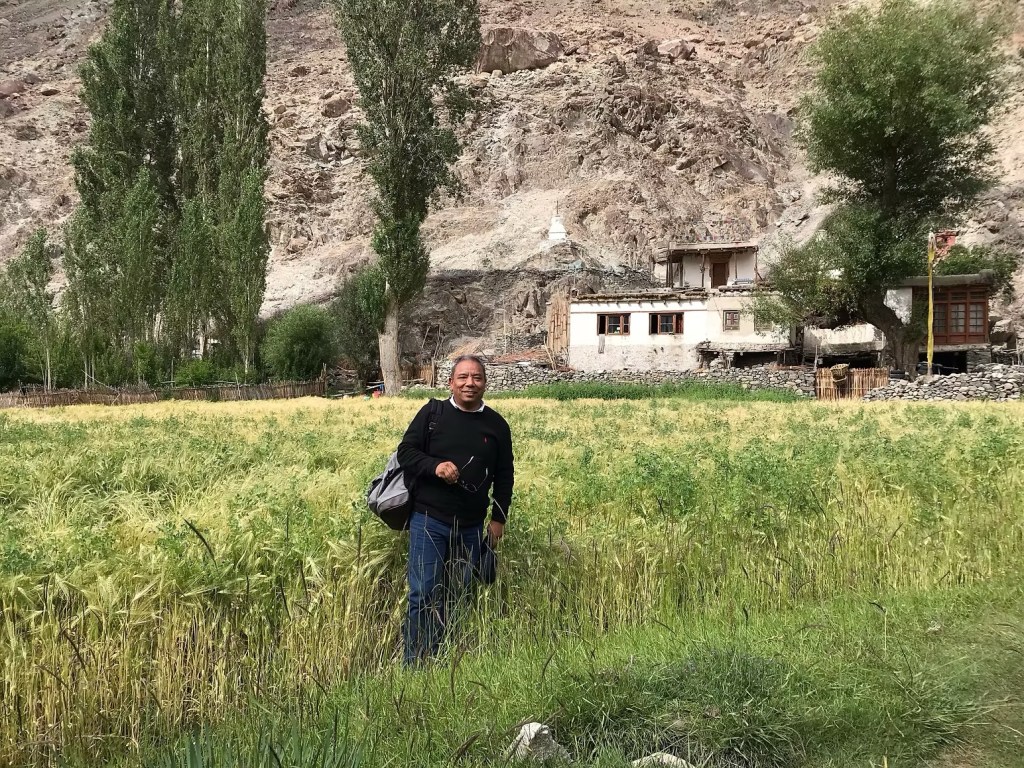
Amchi in one of his travels to Tibet

Deathless ALDI

On The Ordinary & The Sublime

Some time ago I was at an Aldi near the Central Station in Leiden. I almost never go to the Aldi, but for whatever reason I was there.

It’s a small store, there are no windows, the produce is surprisingly fresh and sometimes you can find Trader Joe’s products.

I was standing there, nothing special, bright white lights, people moving quietly through the isles, then suddenly something shifted. There was an experience of “being everything”. If I try to describe it probably the closest I can come is a kind of unbounded awareness in which nothing stood apart: the Aldi, Iguazu Falls, it’s all good. There was no-body to reference back to or to “ground me”, no need for that either.

No magic, nothing shocking, I just dropped into a state where everything simply was. In the moment, the experience felt very ordinary, but when I look back, it feels completely extraordinary.

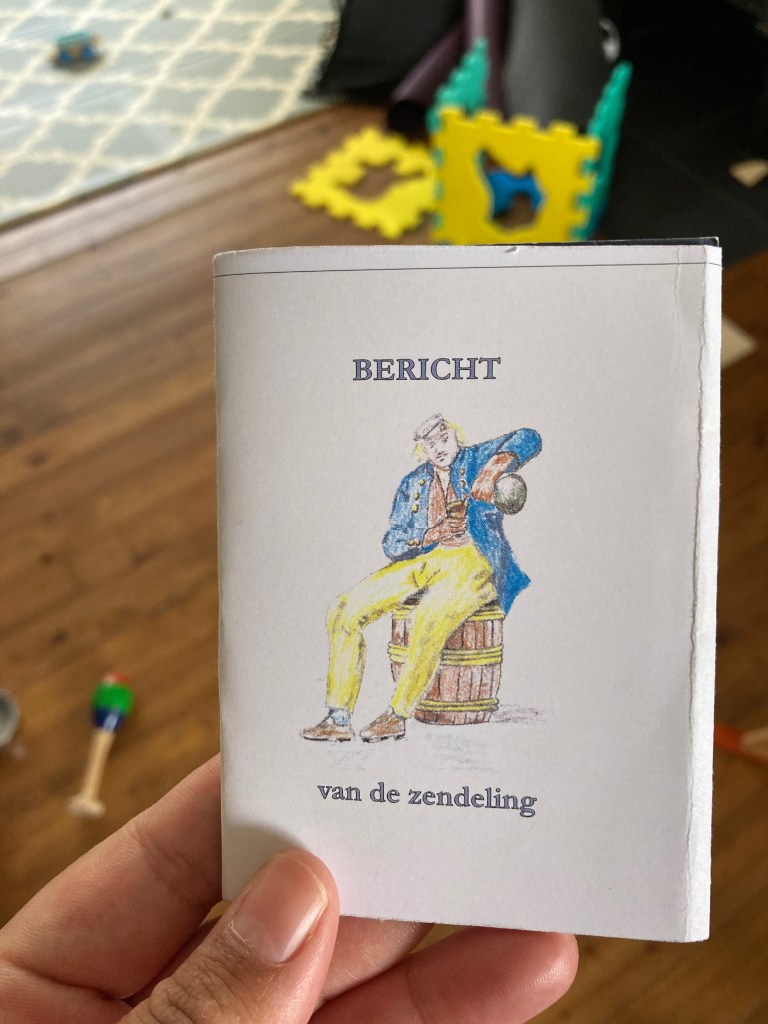
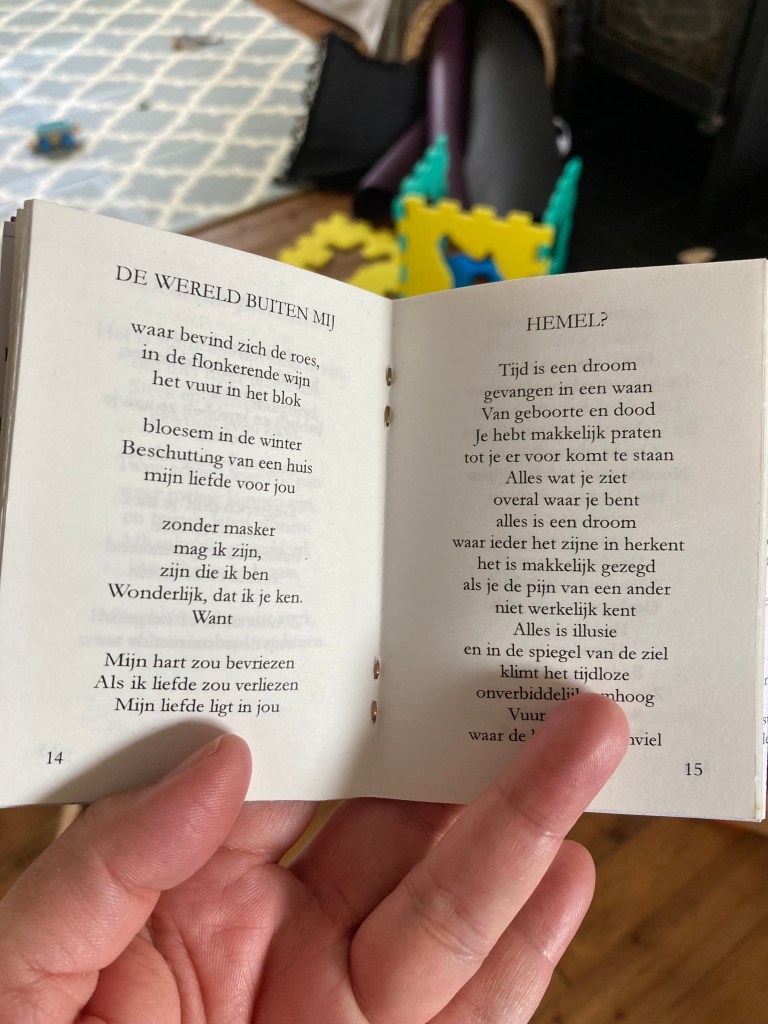
As usual, it took a long time to integrate the experience. And as the months went by (and the years) one day I found myself talking to a very old sympathique Dutch man in Katwijk, he was selling tiny handmade poetry booklets on a street market. At the time I was also writing poetry, I had accidentally started writing poetry to try to make sense of who or what I was, a habit that grew stronger and more fun after my son’s birth.

We had a long conversation, he had been practicing Zen for many years, it was a quite pleasant and unexpected encounter. At some point he paused and told me: you know, Buddhism is a religion. He told me that to indicate his posture, but also to find out where I stand in the whole philosophy – religion situationship. To my surprise, I very easily agreed with him. I agreed with hm? That prompt a period of self-questioning.

I think I always saw Buddhism mostly as religion in Asia and a philosophy in the West. Probably due to an amalgamation of ideas, thoughts, assumptions and all sorts of mental objects supporting the idea of philosophy being superior, above or further ahead.

But after the Aldi experience + a lot of time, I seem to have integrated the experience in a way that now I seem to believe that what happened in the Aldi, unbounded pure awareness, is what happens when we die. The self dissolves, and everything just is.

This is not what I think. Due to the embodied experience, I seem to now believe this.

After years of meditation practice, Buddhism, or more precisely, some experiences brought about by meditation, changed my understanding of death. More significantly, my understanding of what happens when we die, and for me at least, that is what religions do, provide a map, idea or “certainty” about the afterlife.

Maybe in some years that experience will be explained by synapses and chemicals in our brains, or I’ll have a new experience that’ll override my experiences of unbound awareness.

More likely, that narrative or the need to interpret experiences will also dissolve. But for now, if I question myself, to my surprise I seem to believe this is what happens when we die, and I sort of live accordingly.

The tiny poetry book from the curious market man

The Dutch & the child in Katwijk

The Householder

The past several years have been all sorts of intense.

I moved to the Netherlands ten years ago, and my partner (The Dutch) and I had a child five years ago. We live in Leiden and this place has now truly become our home. Since the birth of my son both of my parents have passed away, my dad two years ago and my mom last summer. I formed some precious friendships and others that exist more in the rhythm of my son’s playdates. I took a break from work, and now that our child goes to school, I am slowly finding my way back.

I was pregnant during the hardest coronavirus lockdowns yet I felt fine, safe, collected. My meditation practice had been flourishing before I became pregnant, and it continued to grow during the months preceding my son’s birth. I was leading a daily Social Meditation Zoom practice with local folks, it was beautiful.

After my son’s birth I felt so good, it was like a warm wind carried me everywhere.

With the help of Martine, a dharma friend and guide, I tried to bridge my formal meditation practice with everyday activity. Beyond the famous washing the dishes or doing the laundry mindfully image, I tried to chop wood and carry water with an infant. I had some previous experiences to guide me, or remind me what a state of just being, or just doing felt like.

For a while it was relatively easy to ignore narratives, at least the known ones, and to come back to the breath, or the tiny child, or the warm sun.

But, in my mind at least, the lack of formal practice together with the complexities of life, including those of a foreign mother navigating child-rearing in a different country, started to create a different set of conditions.

As I return to formal practice, I want to write about what being a householder practitioner was and is like for me. There are not many accounts in the Buddhist scriptures about what a householder path looks like. And for some reason, that path has always engaged my imagination.

I find this an important conversation, not only for Buddhist or practitioners within (or without) a tradition, but also for people engaged in other disciplines that require the right intention, gentle discipline and space-time. I think for example, of Ashtanga Yoga, which I practiced in Belgium before I moved to The Netherlands. Maybe, this is something we can figure out this century.

The latest turning of the wheel is also driven by householders.

This photo is from Sunday, at the Amsterdam Zoo.

About me

Hello there,

My name is Karla. I live in The Netherlands with my Dutch partner and our son.

In this blog I write about the ways consciousness changes in relationship to landscapes, motherhood, migration, contemplative practice, and ordinary life. I am especially interested in the boundary between self and environment: the ways nature, weather, movement, attention, memory, institutions, and infrastructure quietly shape how we experience ourselves and the world.

Some posts are more essayistic, others more personal or observational, but together they form an ongoing exploration of perception, ecological belonging, and everyday life as an expat mom in The Netherlands.

If you would like to know more about my contemplative and professional path, keep reading.

My relationship with meditation began early in life through my upbringing, but it became a more intentional practice during my university years. Between 2004 and 2006, while living in Seattle, I attended different Buddhist communities and sanghas and learned meditation practices from several traditions, including Korean, Tibetan, and Japanese Buddhism. In 2005 I also followed a mindfulness-based program at the University of Washington.

After university I worked as a teacher within the international American school system, where my interest in education, attention, and contemplative practices continued to deepen. Over the years I followed different mindfulness and contemplative training programs, including courses through Mindful Schools focused on supporting social, emotional, and academic development in K–12 education.

In 2012 I decided to formally combine my interests in education and contemplative practice and enrolled in a research master’s program in educational psychology at the Vrije Universiteit Brussel, including a one-year internship at Leiden University. During those years I developed mindfulness-based interventions for teachers and conducted qualitative and quantitative research with Belgian and Dutch student-teachers.

In 2016 I accepted an appointment in Leiden and worked for several years at Leiden University, first as a researcher and later as a lecturer. As my practice deepen, my work gradually shifted toward questions of identity, ecology, peace processes, and the ways human beings relate to the natural world. I became especially interested in environmental identity, environmental peacebuilding, and the relationship between selfhood, landscape, and social systems, including emerging ideas such as the Rights of Nature.

Throughout all these years I have maintained a meditation practice, which has lead to subtle but continuous inner shifts. For the last several years my practice has been influenced by the guidance of Martine Batchelor and by more secular and inquiry-based approaches to contemplative life.

Alongside writing, I continue to work in education, currently at The American School of The Hague, and remain involved in contemplative communities and practices. I also occasionally advise educational institutions and facilitate mindfulness-based workshops to schools and higher education institutions in The Netherlands.

Feel free to reach out if something here resonates with you.

También hablo español en Nederlands.

OLYMPUS DIGITAL CAMERA

Italian Experience

The Context

We just came back from a two-week vacation on the Italian coast. And I was very determined to spend every minute with daylight either on the beach or under the sea. I mostly succeeded.

During the first week of our arrival my airbnb hosts, an Italian couple, seven years together, encounter some issues. More specifically, she found out he was cheating on her and decided to leave him, packing and arranging moving trucks during our stay. During this painful time I decided to be present with her and her pain, having an Italian ex who also cheated on me allow me to connect based on my own experience and add some sorority love.

Towards the second week we noticed the ambiance was slightly too tense and decided to book a room at some bed & breakfast by the sea. I was still determined to spend as much time as close to the sea as possible.

Bu then my partner at some point mentioned he was bored with the beaches, which to me, made no sense. He wanted to, like do something else?! In light of his request and my admittedly selfish desire to be by the sea, I decided to solve the issue by skillful means, lol. So I told him we could do anything he wants but he must arrange the stay. He did come up with one plan, a place on the mountains –why?! I will never understand the Germanic mind. Anyway, his plan fell apart when he called the place he wanted to say in. Of course requesting a room within 24 hours during high season Italy was never going to work. I asked if he had a second choice for an overnight stay, you know, like a plan B. He did not. So the issue resolved itself #SkillfulMeans.

But I felt a bit evil, so me, being the almighty good meditator that “I” am, decided to help search for a place. I managed to find a place somewhere in the mountains and with good ratings for that very night. But srsly, the mountains… Pfff. Next day we were happily driving back to the sea. Mountains are weird, we all agreed.

The Experience

While I did encounter some mishaps, I managed to spend most days on a beautiful beach. And I was just there. Didn’t read, didn’t write or spent any time on my phone. I just sat there, or swam, or floated.

When I came back to The Netherlands, everything was different. My attention could easily rest on anything but furthermore, I found everything quite beautiful. The Sunlight particularly, even against the ugly side walk was of such a lovely quality. I drove my bike to the supermarket, and the tall trees I always bike by pulled me out of my head and I became the leafs and the wind. Quite beautiful, and with no effort whatsoever. The sound of the leaves, the wind… I was just sliding through the day and life, nothing particular, yet another world.

It made me think about

Arising and Passing Away?

It only lasted a few days, and I slowly felt like I was going back to the “cage”, which I have mostly created myself, I now realize.

I also feel the way I meditate is changing, there is a lot less effort now, nothing to do. Just communion with light, leaves, birds, water, nature. Now mostly with my eyes open.

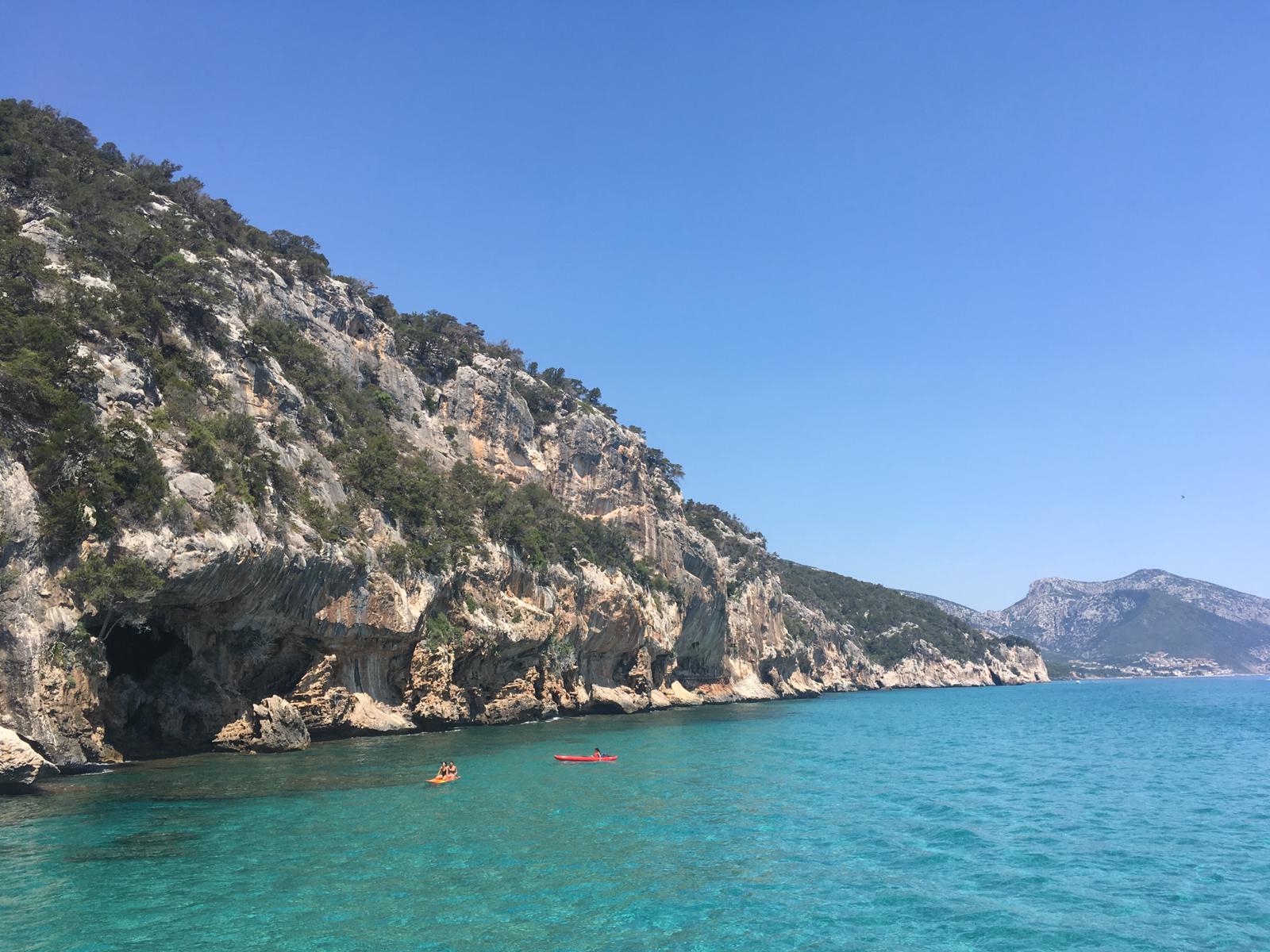
Cala luna kayaks

Above, in our way to Cala Luna.